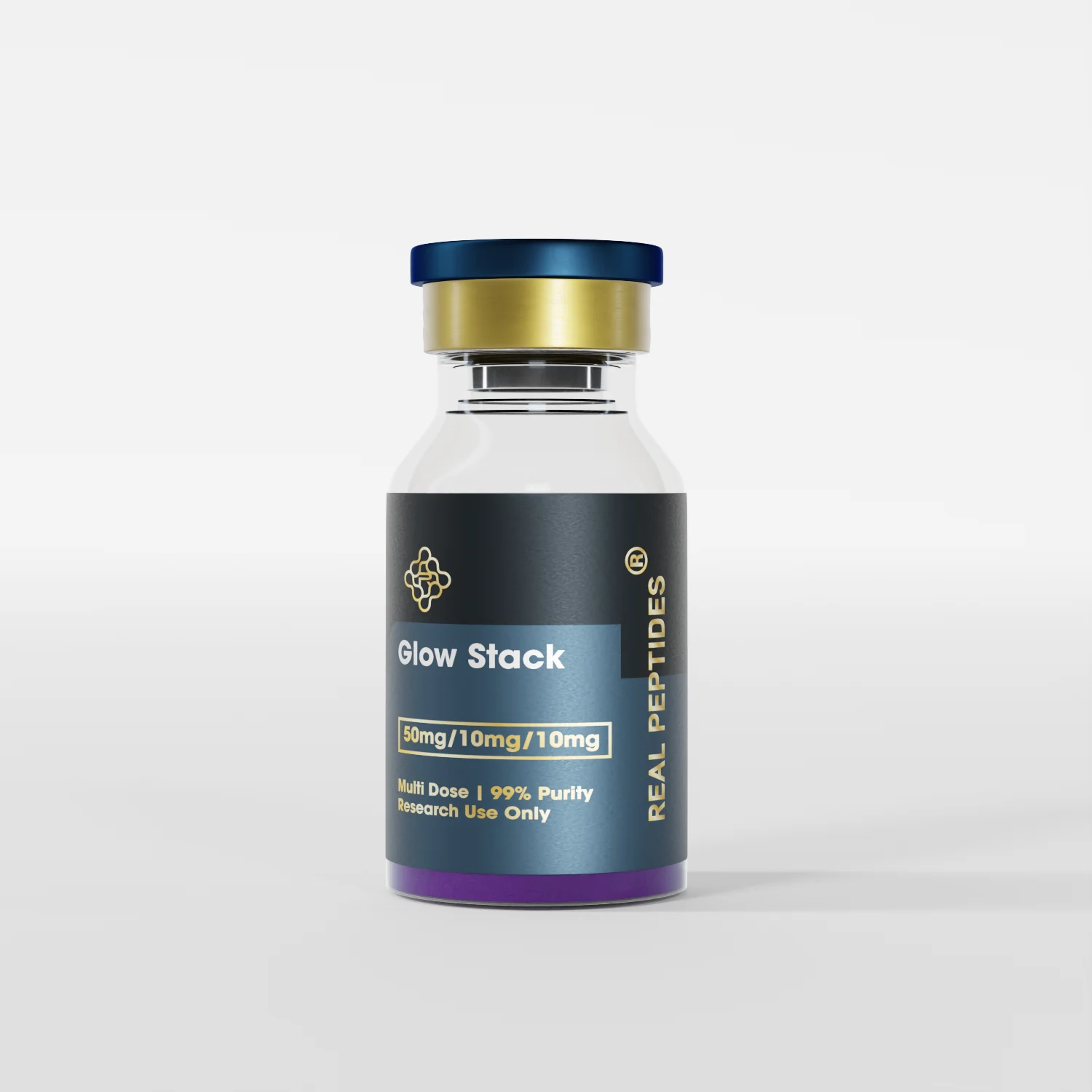
Stack
Wolverine stack side effects: why no verified human safety data exist, why FDA flagged safety concerns in 2023, and the product-quality checks to run.
Most reported side effects are mild and temporary. Common reactions include flushing, nausea, headache and injection-site redness. If symptoms persist or worsen, stop use and consult a healthcare provider.
In September 2023 FDA moved BPC-157 and TB-500 into Category 2 of its interim bulk-substances lists because it was reviewing safety concerns. Nearly three years later, no controlled human trial has mapped the safety of either peptide, let alone the two together. That is the honest starting point for any discussion of wolverine stack side effects.
We do not have a verified list of side effects to print, and we will not invent one. This page explains what is and is not documented, why the gaps matter, and where the practical risks lie for buyers. Neither peptide is FDA-approved; both are sold for research use only, and nothing here is medical advice.
Very little. The human record for BPC-157 is limited to small uncontrolled studies, and human data for TB-500 are limited as well. Neither has the kind of controlled trial that produces a reliable side-effect table.
Most of what is known about both peptides comes from rodent and other animal research on tendon, muscle, gut and tissue repair. Animal studies can flag obvious toxicity, but they do not tell you how often a reaction occurs in people, which reactions matter, or who is most at risk.
So when a website gives a confident list of wolverine stack side effects with percentages, ask where the numbers came from. In our experience they are usually lifted from forum posts or other vendor pages, not from trials.
The Category 2 placement in September 2023 meant compounding pharmacies could not use BPC-157 or TB-500 while FDA reviewed safety concerns. That is a regulator saying the evidence was not good enough to allow routine use.
The July 2026 advisory vote shifted the tone. On 23 July FDA's Pharmacy Compounding Advisory Committee voted 8-6, with 1 abstention each, to recommend adding both peptides to the 503A bulks list. That vote is non-binding, and it is not a safety approval. FDA still has to decide and complete rulemaking with public comment. The details are on our FDA 2026 page.
Even if each peptide had a clear safety profile, which neither does, the pair would still be a separate question. No controlled human research has looked at BPC-157 and TB-500 together.
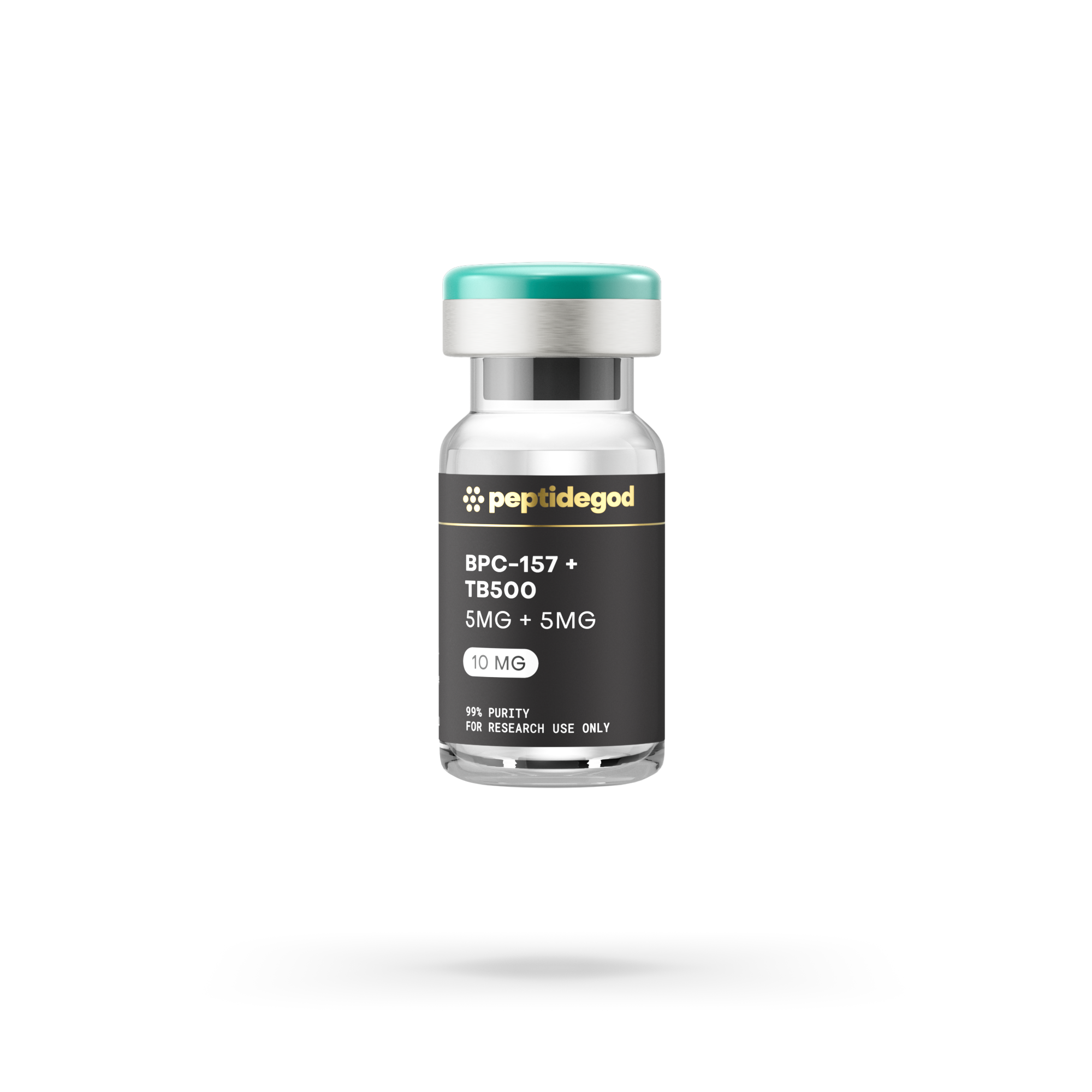
The single-vial blend adds another layer. Peptide God's BPC-157 + TB-500 Blend has a ratio fixed by the vial, so anyone studying it cannot separate the effect of one compound from the other. That is a design limitation for research, and it would also make it impossible to tell which compound caused an observed reaction.
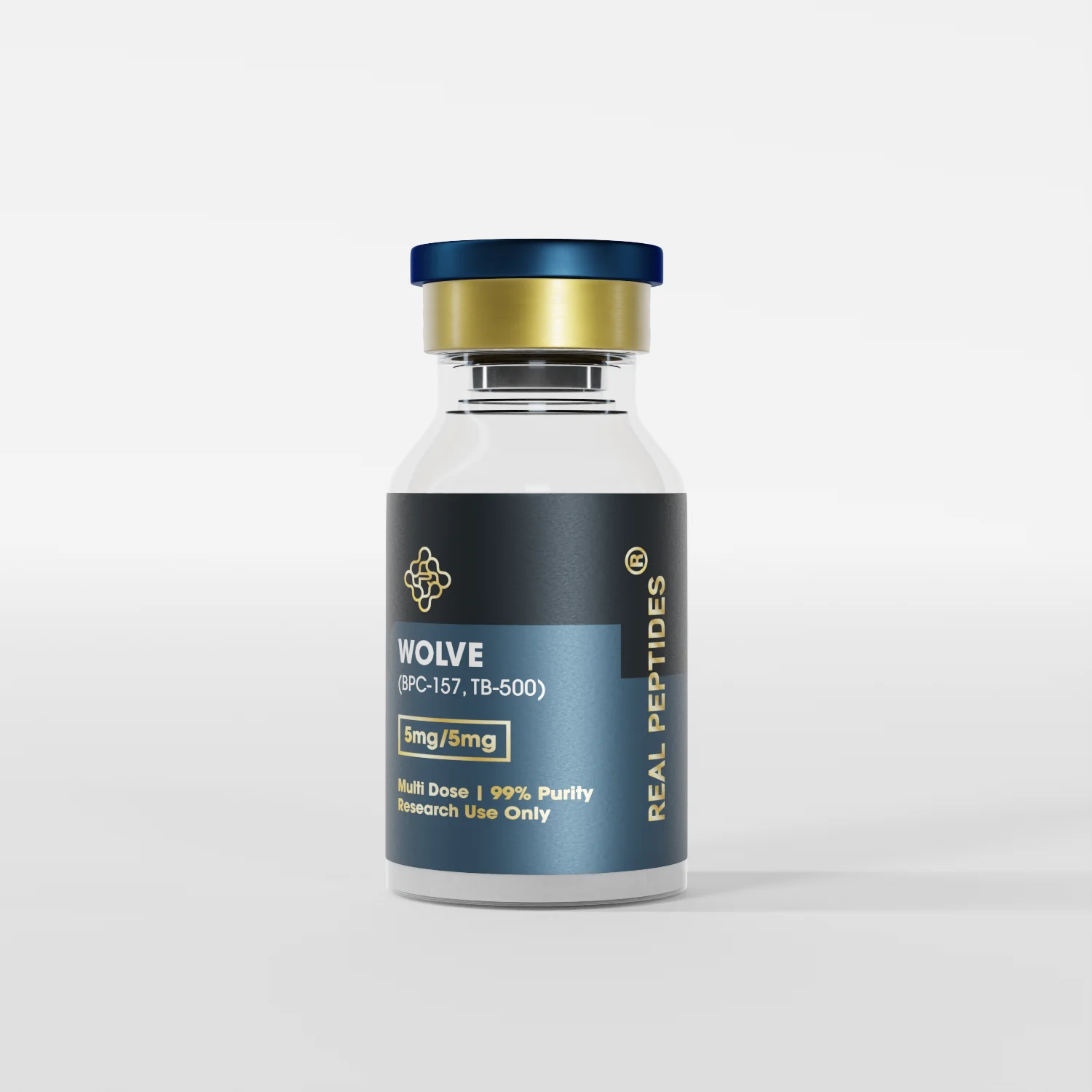
Separate vials, as in the Real Peptides Wolverine Peptide Stack, at least keep the two compounds traceable. Our format comparison covers that difference.
For research compounds, a large share of the practical risk sits in the vial, not the molecule. A product that is underdosed, contaminated or mislabeled gives misleading results and carries its own hazards.
This is where buyers can actually check something. We look for:
A low price with none of these is the riskiest purchase in the category.
Some groups have a clear reason to keep away regardless of what the research eventually shows.
Forums and social media are full of personal reports about the Wolverine stack, good and bad. They have no control group, no verified product and no follow-up, so they cannot establish what the compounds do or how often problems occur.
I treat those reports the same way whether they praise or warn: as a reason to wait for proper data, not as data. The same caution applies to benefit stories; our benefits page sets out what the animal research supports and where it stops, and the dosage page explains why no approved protocol exists.