Wolverine Peptide Stack
Wolverine Stack peptide for sale: BPC-157 + TB-500 in one vial, independently lab tested, lot COA published...
Compare BPC 157 and TB 500 as the Wolverine stack: bundle, blend and single-vial prices per mg, 2026 FDA panel vote, and what the animal research shows.

Independently ranked by quality, purity and value.
Wolverine Stack peptide for sale: BPC-157 + TB-500 in one vial, independently lab tested, lot COA published...
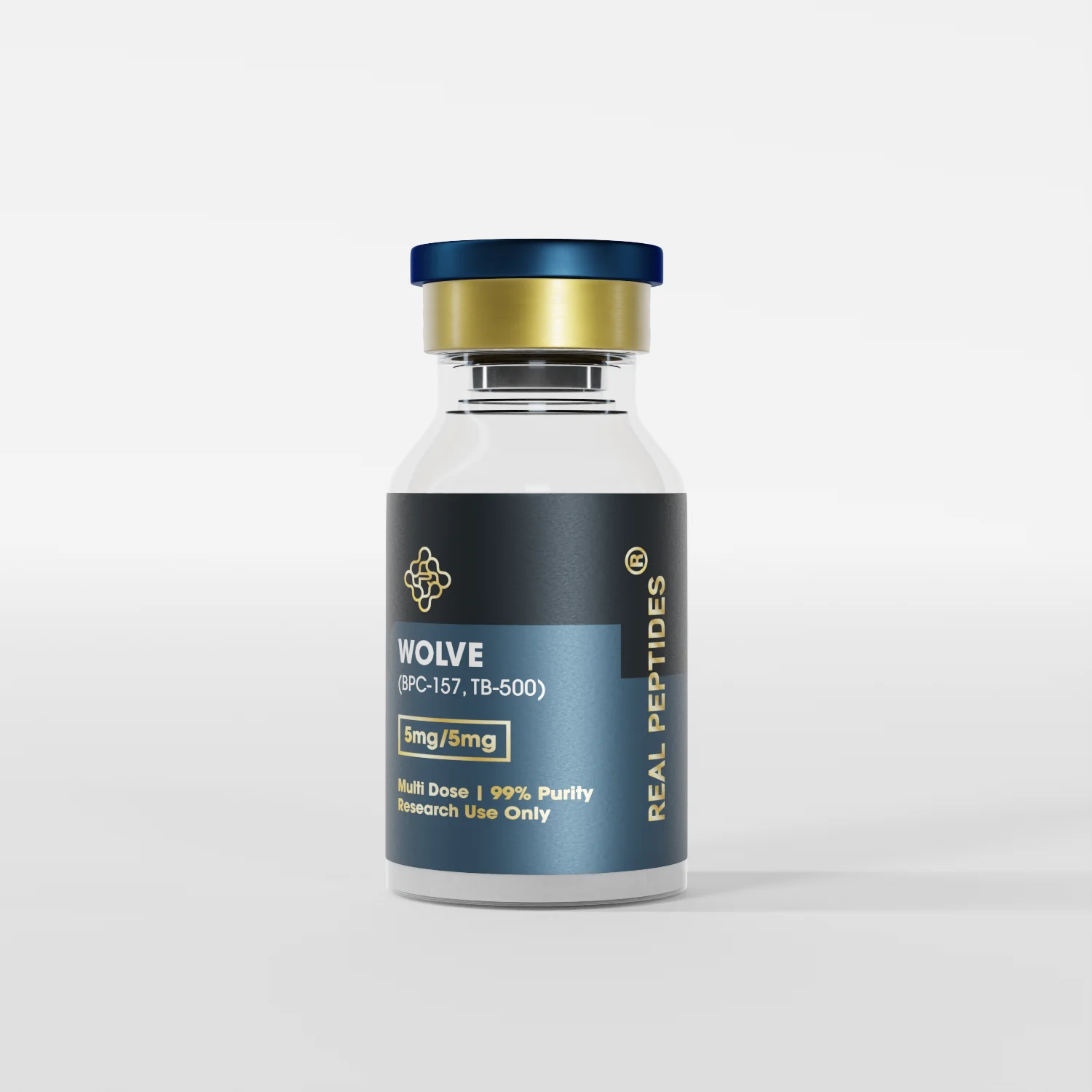
A 1:1 research blend of BPC-157 and TB-500 (thymosin beta-4 fragment) — the two most-studied recovery pepti...
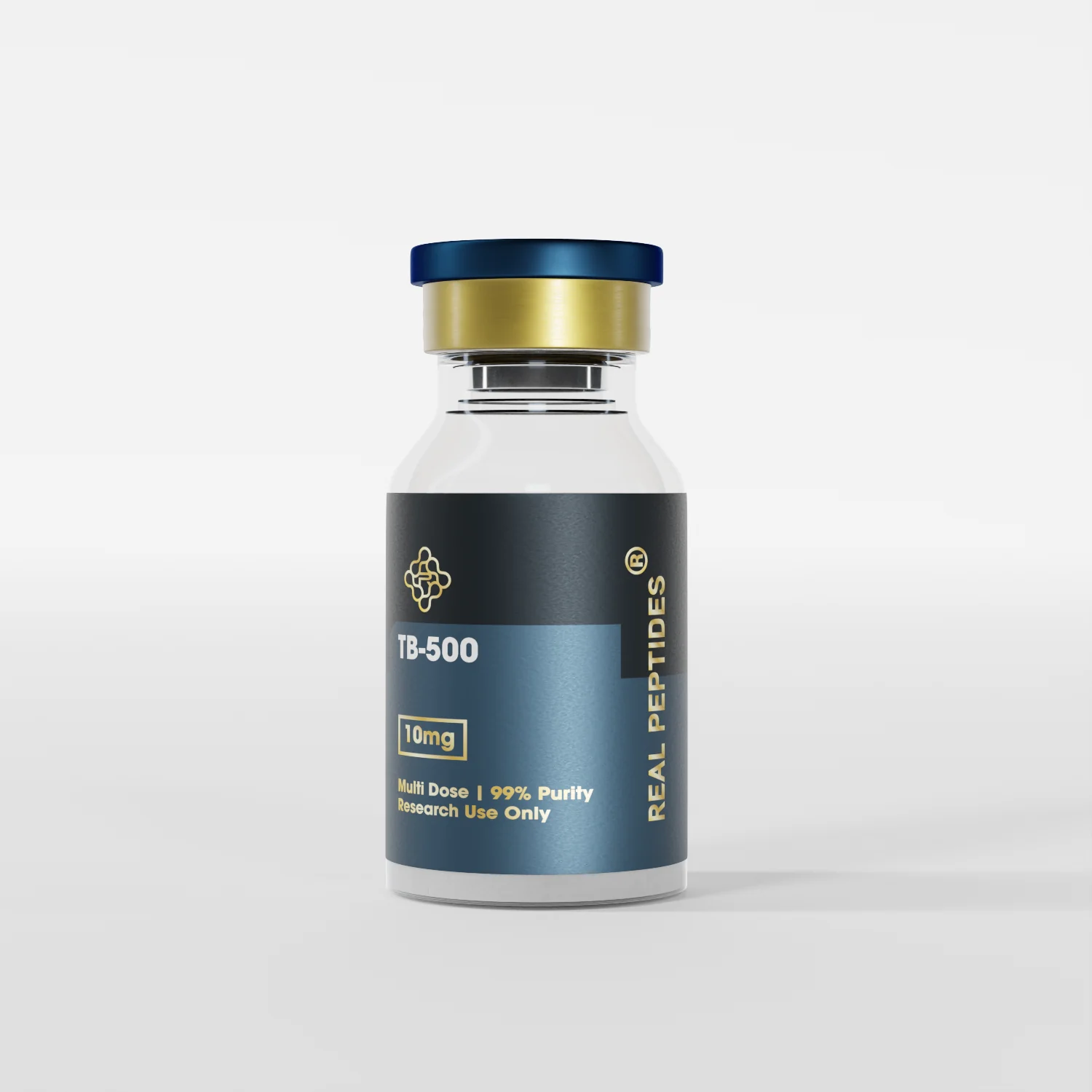
TB-500 peptide for research, 10mg vial. Independent lab testing with the lot COA published before purchase....
TB-500 is the active fragment of thymosin beta-4, studied for cell migration, angiogenesis and tissue-repai...
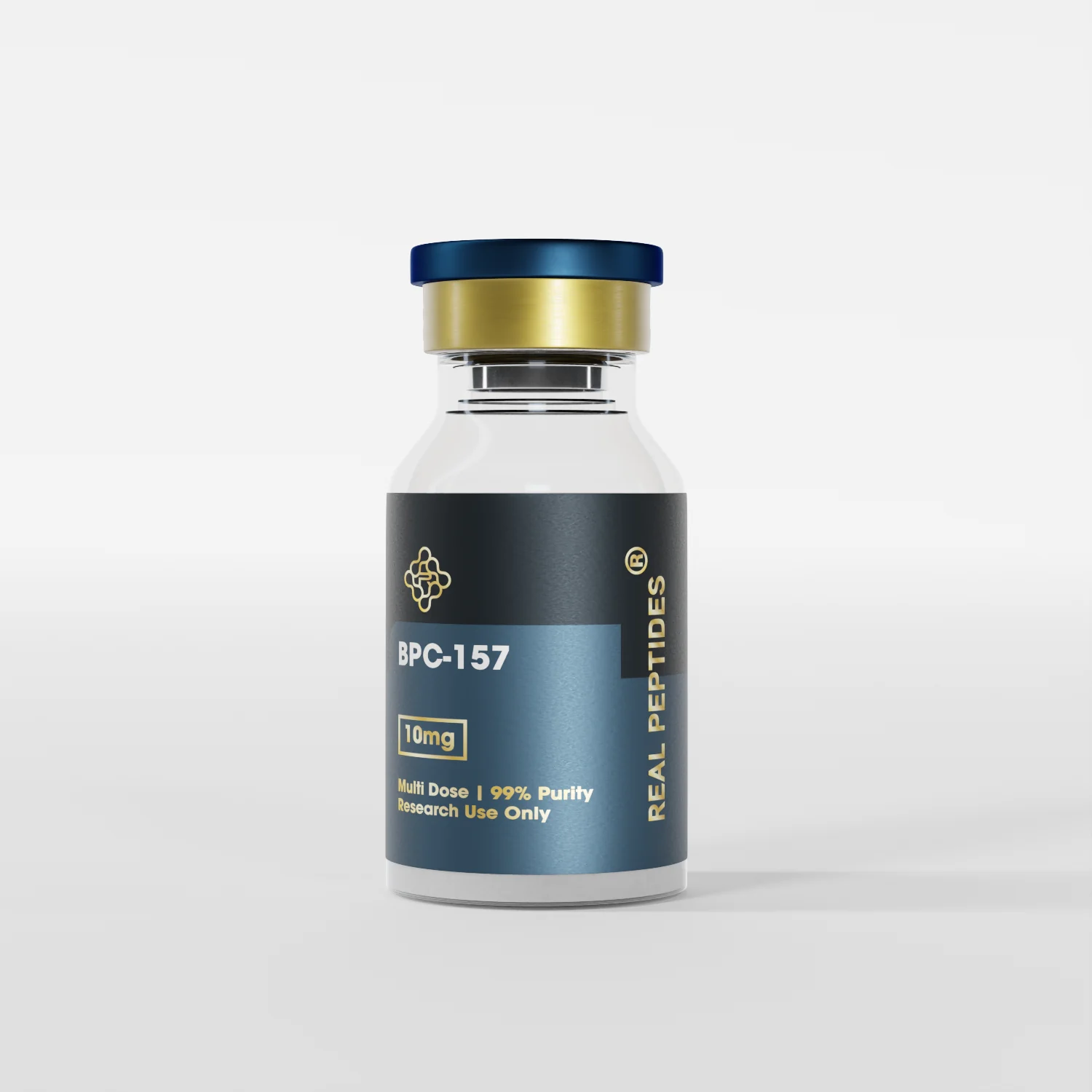
BPC-157 peptide for research, 10mg vial. Independent lab testing, lot COA published before purchase, US sto...
BPC-157 is a synthetic peptide derived from a gastric protective protein, widely studied in tendon, ligamen...
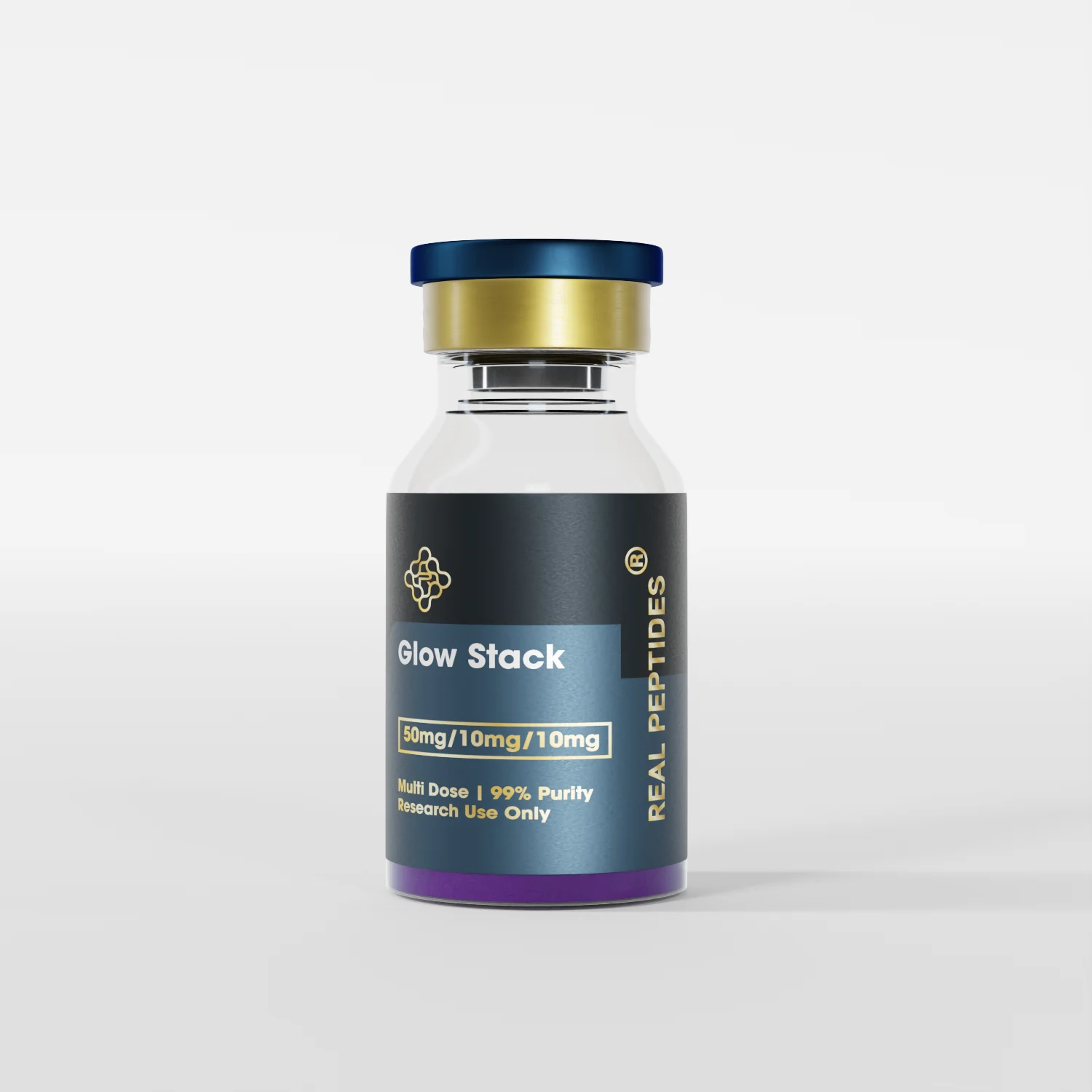
GLOW Stack peptide for research: GHK-Cu 50mg, TB-4 10mg, BPC-157 10mg. Independent lab tested with the lot ...
Order online; most orders arrive in a few days in discreet packaging.
Every pick has a batch-matched certificate of analysis we can read.
We check that real potency matches what the label promises.
Simple, transparent formulas — no mystery fillers or additives.
Scored on real cost per serving, not just sticker price.
Every guide is reviewed by at least one member of this panel before publication.
Science journalist who fact-checks every claim against primary literature and ensures our guides stay accurate after each update.
Board-certified toxicologist with a focus on peptide metabolite profiling. Evaluates adverse-event reports and safety margins from preclinical data.
Former FDA policy researcher. Tracks peptide scheduling, import rules and compounding-pharmacy regulations across the US, EU and AU.
MD/PhD specializing in endocrine pharmacology. Reviews dosing literature, safety profiles and drug-interaction considerations.
The cheapest way we have found to buy BPC-157 and TB-500 together is the Real Peptides Wolverine Peptide Stack: $40.80 for a 10 mg BPC-157 vial plus a 10 mg TB-500 vial, which works out to $2.04 per mg. The same two 10 mg vials bought one by one from the same vendor cost $91.20. That gap is the reason this site exists.
We compare every listing of BPC-157 and TB-500 we track, explain the difference between a two-vial bundle and a single-vial blend, and follow what the FDA is doing with both peptides in 2026. Both compounds are sold for research use only. Neither is an FDA-approved drug, and nothing here is a suggestion for human use.
"Wolverine stack" is simply the popular name for BPC-157 and TB-500 bought or studied together. It is a nickname from the research-buyer community, not a product class, a drug or a regulated term.
BPC-157 is a synthetic 15-amino-acid peptide derived from a protein found in gastric juice. TB-500 is a synthetic fragment related to thymosin beta-4. They come from different sources and were studied in different animal models, mostly tissue repair, tendon, muscle and gut work in rodents. Buyers pair them because each covers a different line of that research.
Vendors use the name loosely. One sells two separate vials as a "stack", another puts both peptides into one vial and calls it a blend. Our breakdown of bundle vs blend vs separate vials covers what each format means for your lab records.
We list seven products across two research vendors, Peptide God and Real Peptides. Prices below are exactly as listed; the per-mg column is our own math where the vial size is published.
| Product | Vendor | Price | Size | Per mg |
|---|---|---|---|---|
| Wolverine Peptide Stack | Real Peptides | $40.80 | 10 mg BPC-157 + 10 mg TB-500 | $2.04 |
| BPC-157 10mg | Real Peptides | $43.20 | 10 mg | $4.32 |
| TB-500 (Thymosin Beta-4) | Real Peptides | $48.00 | 10 mg | $4.80 |
| GLOW Stack | Real Peptides | $86.40 | GHK-Cu 50 mg + TB-500 10 mg + BPC-157 10 mg | $1.23 (all three) |
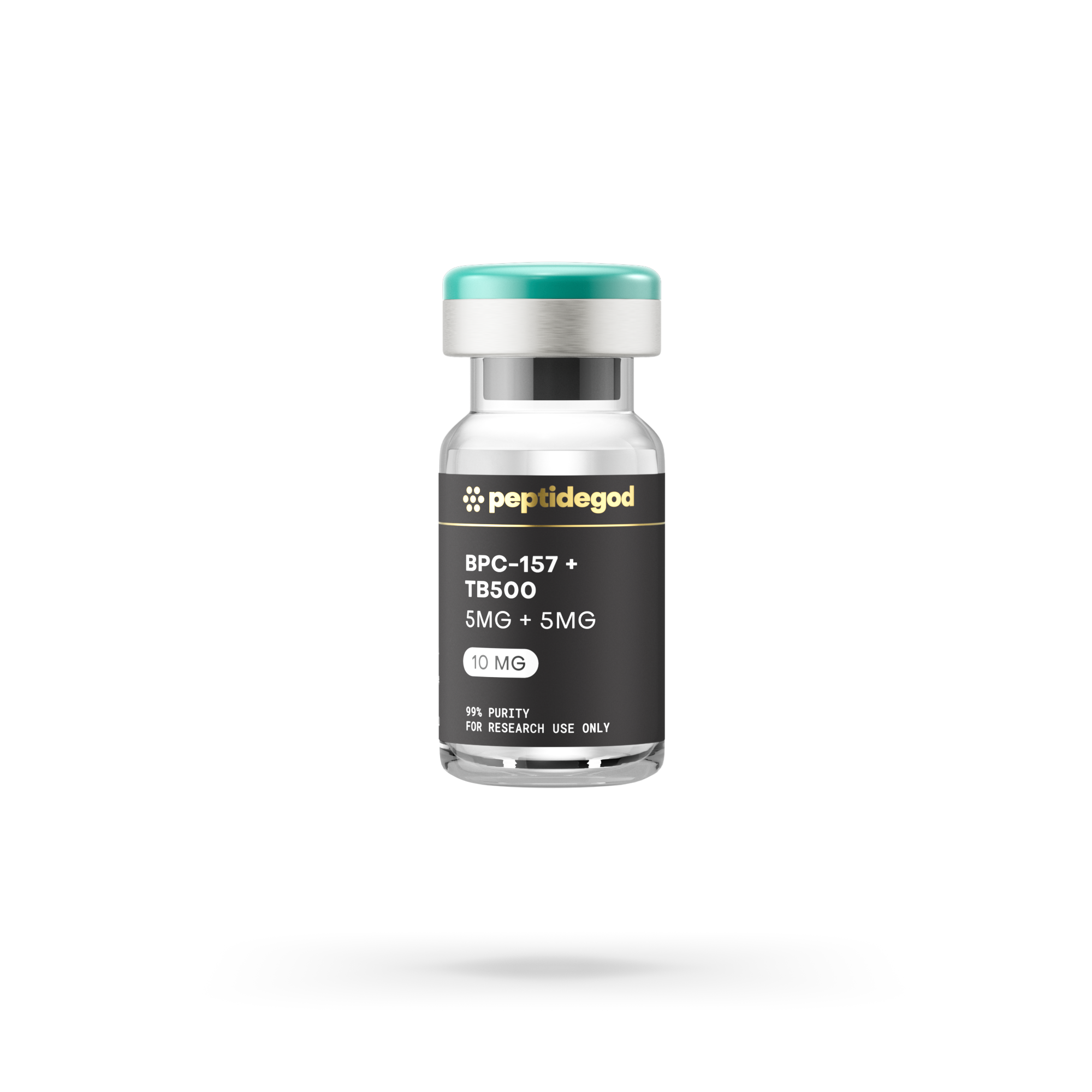
| BPC-157 + TB-500 Blend | Peptide God | $59.95 | Not stated | - |
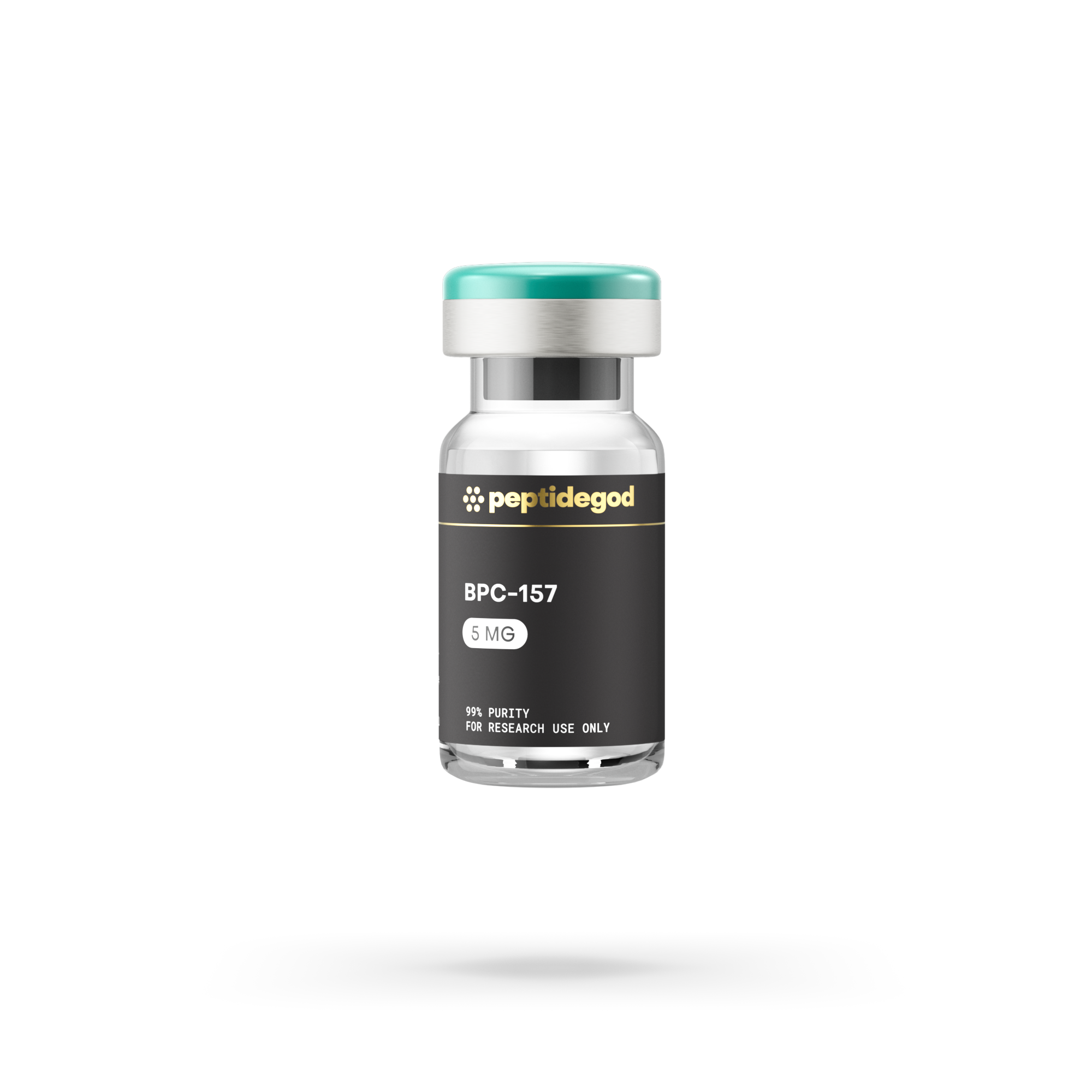
| BPC-157 | Peptide God | $34.95 | Not stated | - |
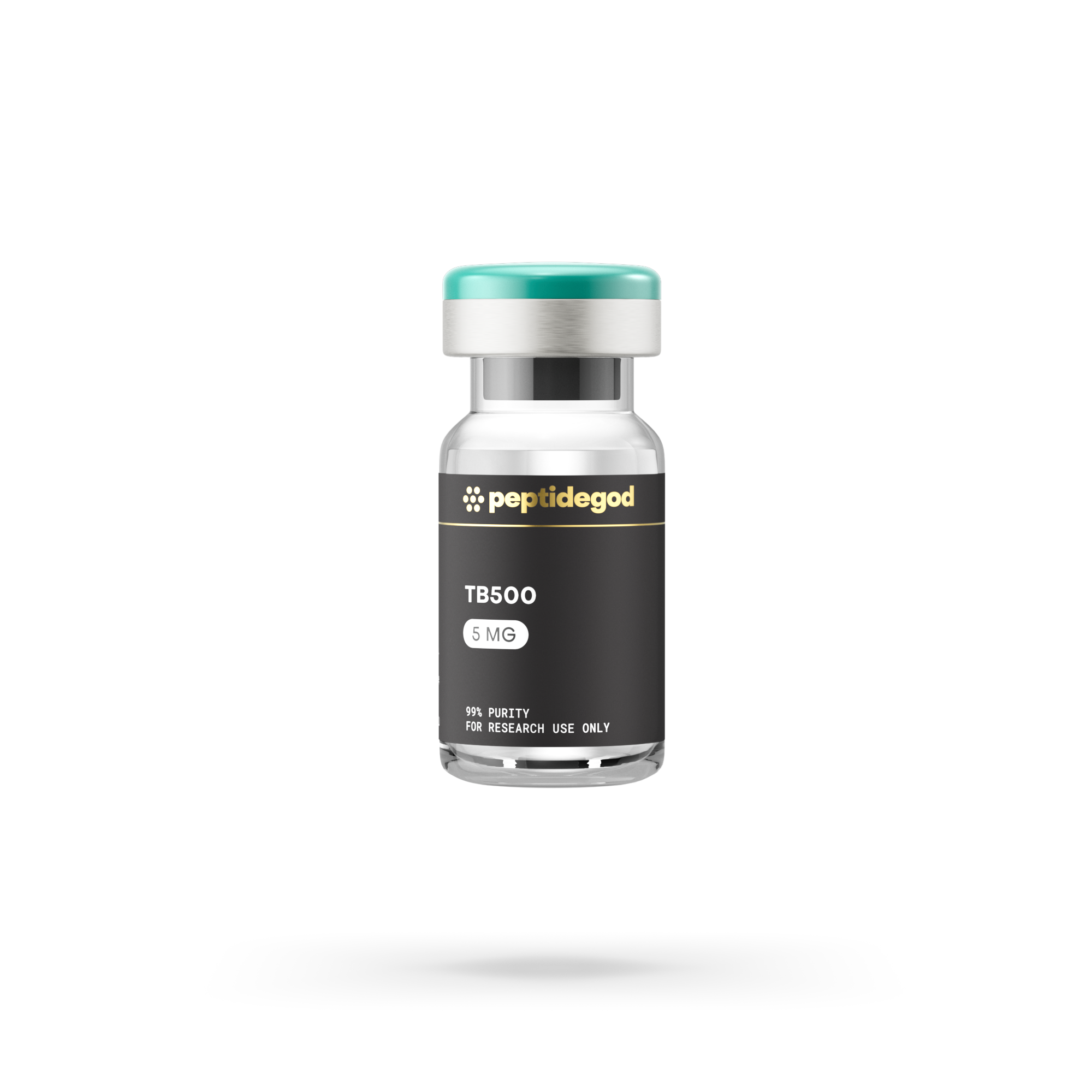
| TB-500 | Peptide God | $35.00 | Not stated | - |
The Peptide God listings we work from do not state a vial size, so we do not guess a per-mg figure. Check the label on the product page before comparing. The full set with vendor buttons sits on our products page.
On price alone, the Real Peptides two-vial bundle wins by a wide margin. It costs less than either of its own components bought separately from the same shop, which is unusual and worth checking against stock before you order.
The Peptide God blend puts both peptides in one vial for $59.95. Its listing notes a fixed ratio set by the vial, so you cannot change the proportion. Bought as two single vials from Peptide God, the pair costs $69.95, so the blend saves $10.00.
Separate vials make sense when your work needs each compound tracked on its own, with its own lot number. The Wolverine Peptide Stack price-per-mg page runs the numbers with shipping included.
BPC-157 and TB-500 are still not FDA-approved, and compounding pharmacies still cannot use them. What changed in 2026 is the direction of travel.
In September 2023 FDA placed both peptides in Category 2 of its interim bulk-substances lists while it reviewed safety concerns. On 23 July 2026 FDA's Pharmacy Compounding Advisory Committee voted to recommend adding BPC-157 and TB-500 to the 503A bulks list. Each vote was 8-6 with 1 abstention.
That vote is advice, not a rule. FDA still has to decide and then run proposed and final rulemaking with public comment. Our page on BPC-157, TB-500 and the FDA in 2026 walks through each step. Separately, BPC-157 and TB-500 are on the WADA Prohibited List, so tested athletes should stay away from both.
Most of what is known about BPC-157 and TB-500 comes from animal studies. BPC-157 data come largely from rodent tendon, muscle and gut models. TB-500 work sits in tissue-repair animal models.
Human data for both are limited. For BPC-157 they are restricted to small uncontrolled studies. No controlled human trial has confirmed any benefit of the pair, and there is no approved human dose. Anyone with a health question should talk to a doctor rather than a vendor page.
I read every benefit claim on a listing against that background. "Studied in animal models" is accurate. Anything that sounds like a treatment promise is not, and after the August 2026 warning letters it is also a sign a seller is careless about the rules.
We list a product only when the price, size and testing details are published on the listing itself. Here is what we look at:
If a seller fails the last two checks, we leave it out, whatever the price.