Stack
BPC 157 FDA 2026 explained: the 8-6 compounding committee vote on BPC-157 and TB-500, the 2023 Category 2 listing, rulemaking steps and what buyers face.
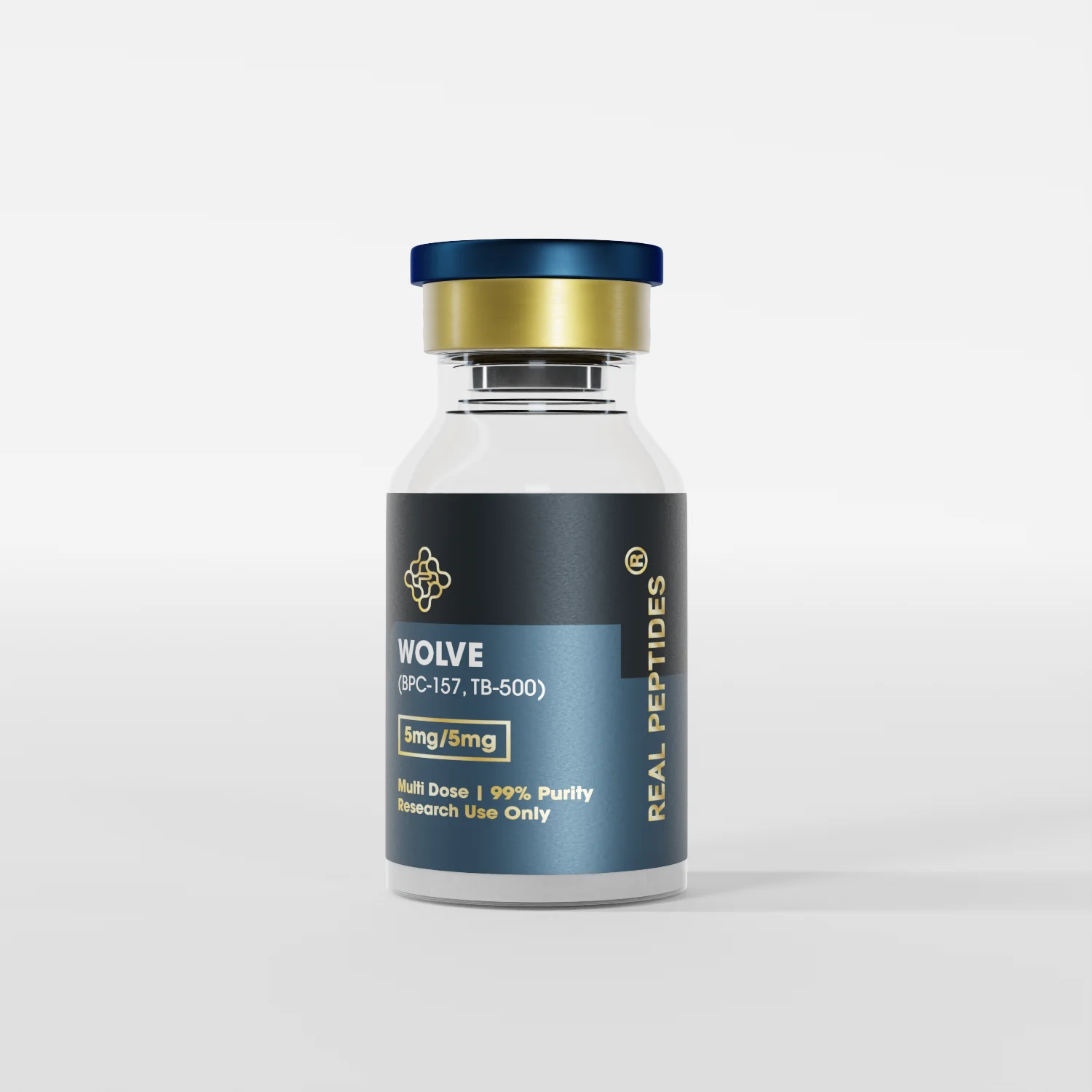
On 23 July 2026 FDA's Pharmacy Compounding Advisory Committee voted 8-6, with 1 abstention, to recommend adding BPC-157 to the 503A bulks list, and gave TB-500 the identical 8-6 result. Those two votes are the biggest regulatory event so far for the Wolverine stack. They are also widely misread.
This page explains the BPC-157 FDA 2026 story in order: what was voted, how both peptides got stuck in 2023, what still has to happen, and what changes for research buyers today. The short answer on that last point is: nothing yet. Neither peptide is an FDA-approved drug, and both are still sold for research use only.
Across two days the committee recommended six peptides for the 503A bulks list, the list of substances compounding pharmacies may use. BPC-157 and TB-500 were among them.
| Peptide | Date | Vote |
|---|---|---|
| BPC-157 | 23 July | 8-6, 1 abstention |
| TB-500 | 23 July | 8-6, 1 abstention |
| KPV | 23 July | 8-6, 1 abstention |
| MOTS-c | 23 July | 8-6, 1 abstention |
| Epitalon | 24 July | 7-4 |
| Semax | 24 July | 8-5 |
The committee voted against emideltide. GHK-Cu, the third peptide in the GLOW Stack, was not voted on and is scheduled for committee review before February 2027. We cover what that means for the three-peptide bundle on the Wolverine vs GLOW Stack page.
In September 2023 FDA placed a number of peptides, BPC-157 and TB-500 included, in Category 2 of its interim bulk-substances lists. Category 2 meant compounding pharmacies could not use them while FDA reviewed safety concerns.
From that point the only legal US supply of either peptide was the research market: vendors selling lyophilized powder labelled for research use only and not for human consumption. That is still the market today, and it is where every product on this site sits.
An 8-6 split in July 2026 shows a committee divided on the evidence, which matches the state of the research: mostly animal studies, with limited human data. Our side effects page explains why that matters.
An advisory committee recommends; FDA decides. The votes do not add anything to the 503A list by themselves.
As of the July meeting, none of the six peptides had been added and compounding of them was not yet permitted. A draft HHS policy reported in late October 2026 mentions easing enforcement on six compounded peptides; it is a draft, not a final policy, and it does not make either peptide an approved drug.
Even after a final rule, a 503A listing would allow pharmacy compounding under the rule's terms. It would not be an FDA approval of BPC-157 or TB-500 as a medicine.
On 24 August 2026 FDA sent warning letters to five online peptide vendors for selling unapproved new drugs. The products named were semaglutide, tirzepatide, retatrutide, tesamorelin, SS-31, PT-141, survodutide, mazdutide and bacteriostatic water. BPC-157 and TB-500 were not named.
The letters still matter for Wolverine stack buyers because of the reasoning. FDA said a "research use only" label does not decide the question. It looks at the whole website, and disease claims, dosing guidance, reconstitution calculators and bacteriostatic water sold next to injectables were all treated as evidence of intended human use.
I now use that list as a filter. A BPC-157 seller with mixing calculators and dosing tables on its pages is running the exact pattern FDA described, and I would not want my supply depending on it.
For research buyers, very little has changed since July. The products, labels and vendors are the same.
If you are hoping for a prescribed, compounded version for a health reason, that is a question for a doctor once a final rule exists. Our dosage page explains why no approved protocol exists in the meantime.
We are following three things. First, any FDA notice of proposed rulemaking for the six recommended peptides. Second, whether the late-October HHS draft policy becomes final. Third, the GHK-Cu committee review scheduled before February 2027, which affects the GLOW Stack but not the two-peptide Wolverine stack.
We will update this page and the home page comparison when any of them moves.