Wolverine Peptide Stack
Wolverine Stack peptide for sale: BPC-157 + TB-500 in one vial, independently lab tested, lot COA published...
BPC 157 vs TB 500 compared: origin, animal research focus, price per mg, FDA Category 2 history, the July 2026 vote and why buyers usually pair them.

Wolverine Stack peptide for sale: BPC-157 + TB-500 in one vial, independently lab tested, lot COA published...
A 1:1 research blend of BPC-157 and TB-500 (thymosin beta-4 fragment) — the two most-studied recovery pepti...
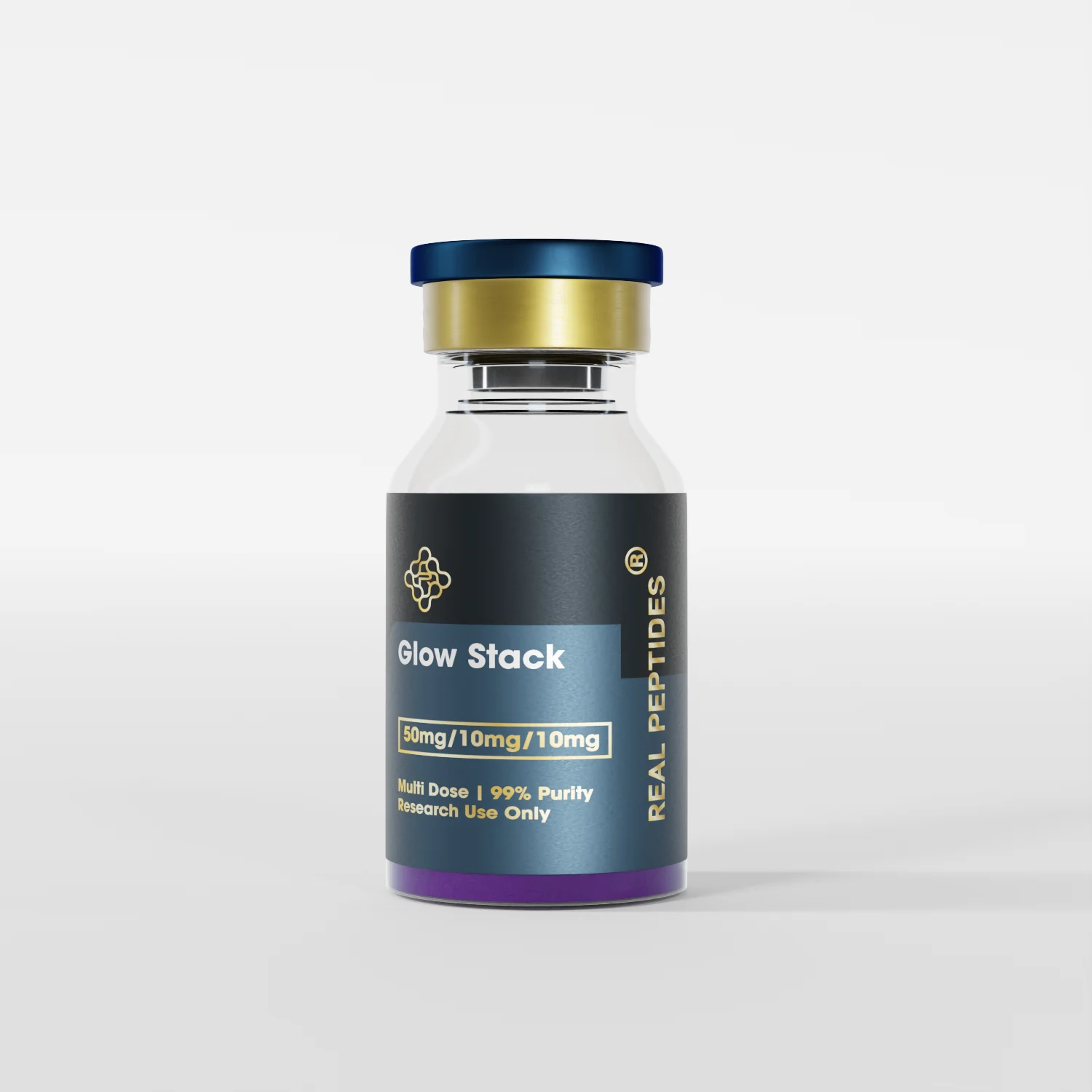
GLOW Stack peptide for research: GHK-Cu 50mg, TB-4 10mg, BPC-157 10mg. Independent lab tested with the lot ...
| Product | Form | Size | Testing | Class | Price |
|---|---|---|---|---|---|
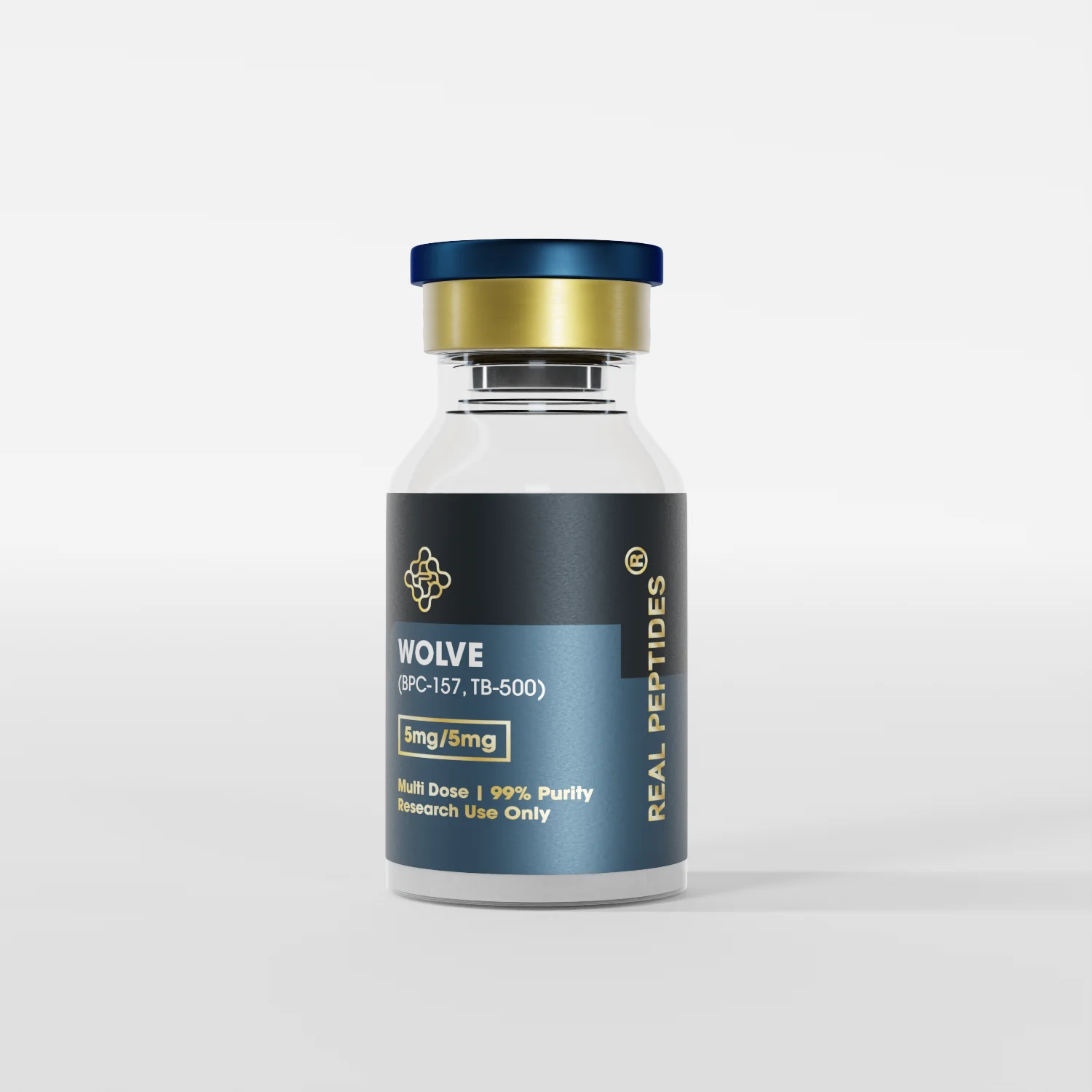
| Real Peptides Wolverine Peptide Stack | Lyophilized powder | 10mg BPC-157 + 10mg TB-500 | Third-party COA | — | $40.80 |
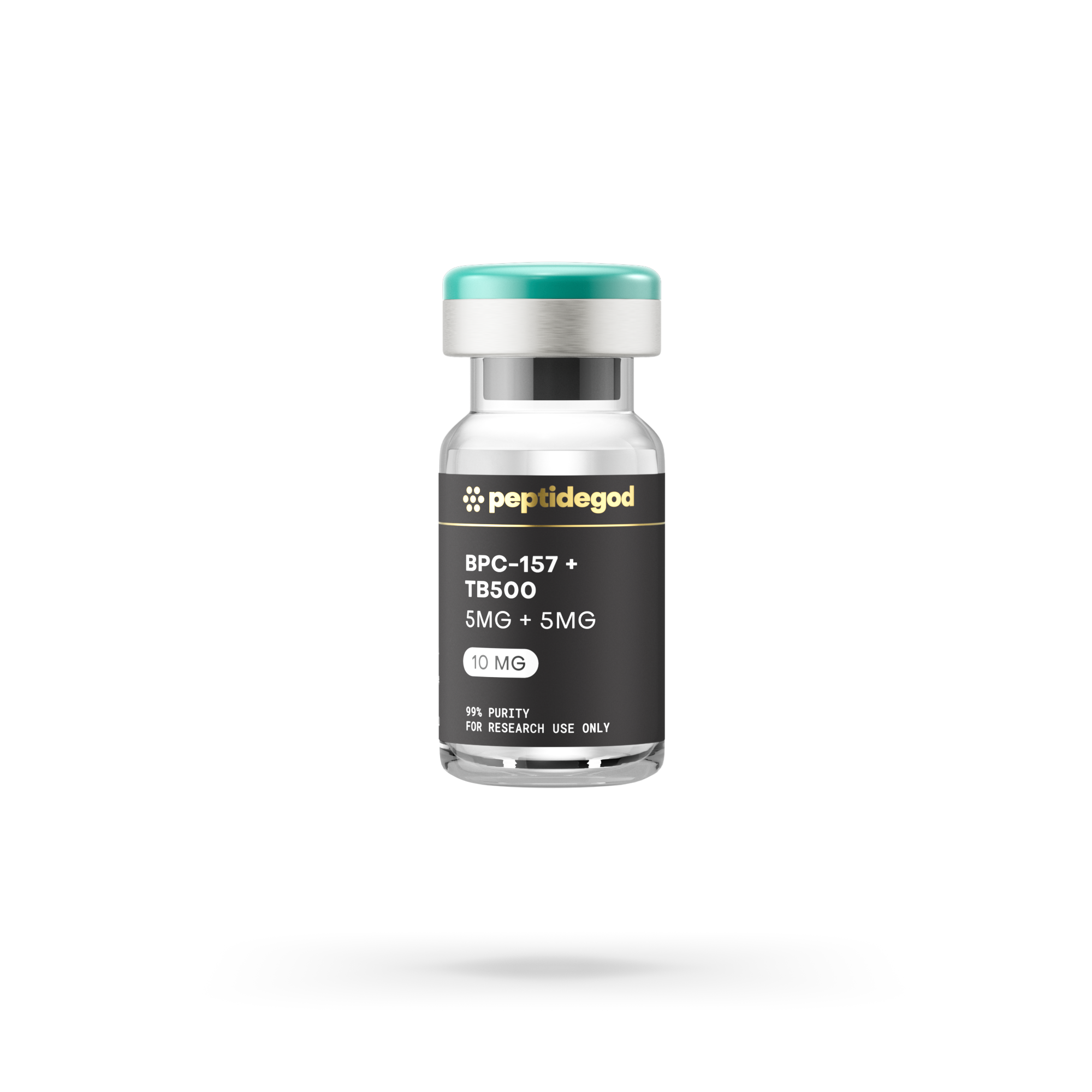
| Peptide God BPC-157 + TB-500 Blend | Lyophilized powder | — | — | Healing blend | $59.95 |
| Real Peptides GLOW Stack | Lyophilized powder | GHK-Cu 50mg + TB-500 10mg + BPC-157 10mg | Third-party COA | — | $86.40 |
Per milligram, BPC-157 is the cheaper of the two at Real Peptides: $4.32 per mg for the 10 mg vial against $4.80 per mg for 10 mg of TB-500. At Peptide God the single vials are almost level, $34.95 for BPC-157 and $35.00 for TB-500. Price is the smallest difference between them, though.
The bpc 157 vs tb 500 question is mostly about origin, research focus and how each is sold. This page compares the two peptides point by point. Both are research compounds, neither is FDA-approved, and nothing here is guidance for human use.
BPC-157 and TB-500 come from unrelated sources. BPC-157 is a synthetic 15-amino-acid peptide derived from a protein found in gastric juice. TB-500 is a synthetic fragment related to thymosin beta-4, a protein the body makes.
That difference explains why their research grew up separately. BPC-157 work started from its gastric origin and spread to tendon and muscle models. TB-500 work grew from interest in thymosin beta-4 and tissue repair.
Both are sold as lyophilized powder in sealed vials by the vendors we compare.
Here are the two peptides on the points buyers ask about most.
| BPC-157 | TB-500 | |
|---|---|---|
| Source | Derived from a gastric juice protein | Fragment related to thymosin beta-4 |
| Main research models | Rodent tendon, muscle, gut | Animal tissue repair |
| Human data | Small uncontrolled studies | Limited |
| FDA-approved | No | No |
| Category 2 since | September 2023 | September 2023 |
| July 2026 PCAC vote | 8-6, 1 abstention | 8-6, 1 abstention |
| WADA Prohibited List | Yes | Yes |
| Real Peptides 10 mg vial | $43.20 ($4.32/mg) | $48.00 ($4.80/mg) |
| Peptide God single vial | $34.95 | $35.00 |
The Peptide God listings we hold do not state vial sizes, so we cannot give a per-mg figure for them.
BPC-157 has the wider animal literature. Its studies span tendon, muscle and gut models, and Peptide God's listing calls it the most-cited healing peptide in animal research. The gut work follows naturally from its gastric origin.
TB-500 research is narrower and centers on tissue-repair animal models. Vendors describe it as having a "longer-acting research profile", which is a description of how it has been studied in animals, not a measured result in people.
Neither peptide has a controlled human trial confirming a benefit. Our benefits page lays out what the animal work suggests for each, and the TB-500 page goes deeper on that peptide alone.
On paper, regulators have treated the two peptides the same way at every step. Both went into Category 2 in September 2023, which kept compounding pharmacies from using them. Both got the same 8-6 recommendation, with 1 abstention, from FDA's Pharmacy Compounding Advisory Committee on 23 July 2026.
Both recommendations are non-binding. FDA must still decide and complete proposed and final rulemaking with public comment, and neither had been added to the 503A bulks list as of that meeting. Both also sit on the WADA Prohibited List. The full timeline is on our FDA 2026 page.
The most frequent mistake is ordering the wrong vial. Real Peptides even notes on its TB-500 listing that it is "not BPC-157 - a separate peptide", which tells you how often the two get mixed up in carts.
The second is ranking them by sticker price. A $34.95 vial and a $43.20 vial cannot be compared until you know the milligrams inside, and the Peptide God listings we hold do not state them. Ask for the size or check the label first.
The third is treating "more research" as "proven". BPC-157 has the larger animal literature, but a larger pile of rodent studies is still not a controlled human trial, and neither compound has one.
Most buyers we hear from do not pick one; they buy both. The reason is that each peptide covers a different line of animal research, and the pair is cheaper as a bundle than either alone.
The Real Peptides Wolverine Peptide Stack, 10 mg of each peptide in two vials, costs $40.80. That is less than the BPC-157 10mg vial ($43.20) or the TB-500 10mg vial ($48.00) on its own. Peptide God's BPC-157 + TB-500 Blend combines both in one vial for $59.95, $10.00 below its two singles.
Choose a single peptide only if your research genuinely calls for one variable. If you want both, compare the formats on our Wolverine stack page. And if the question is about your own health rather than a study, I would put it to a doctor.