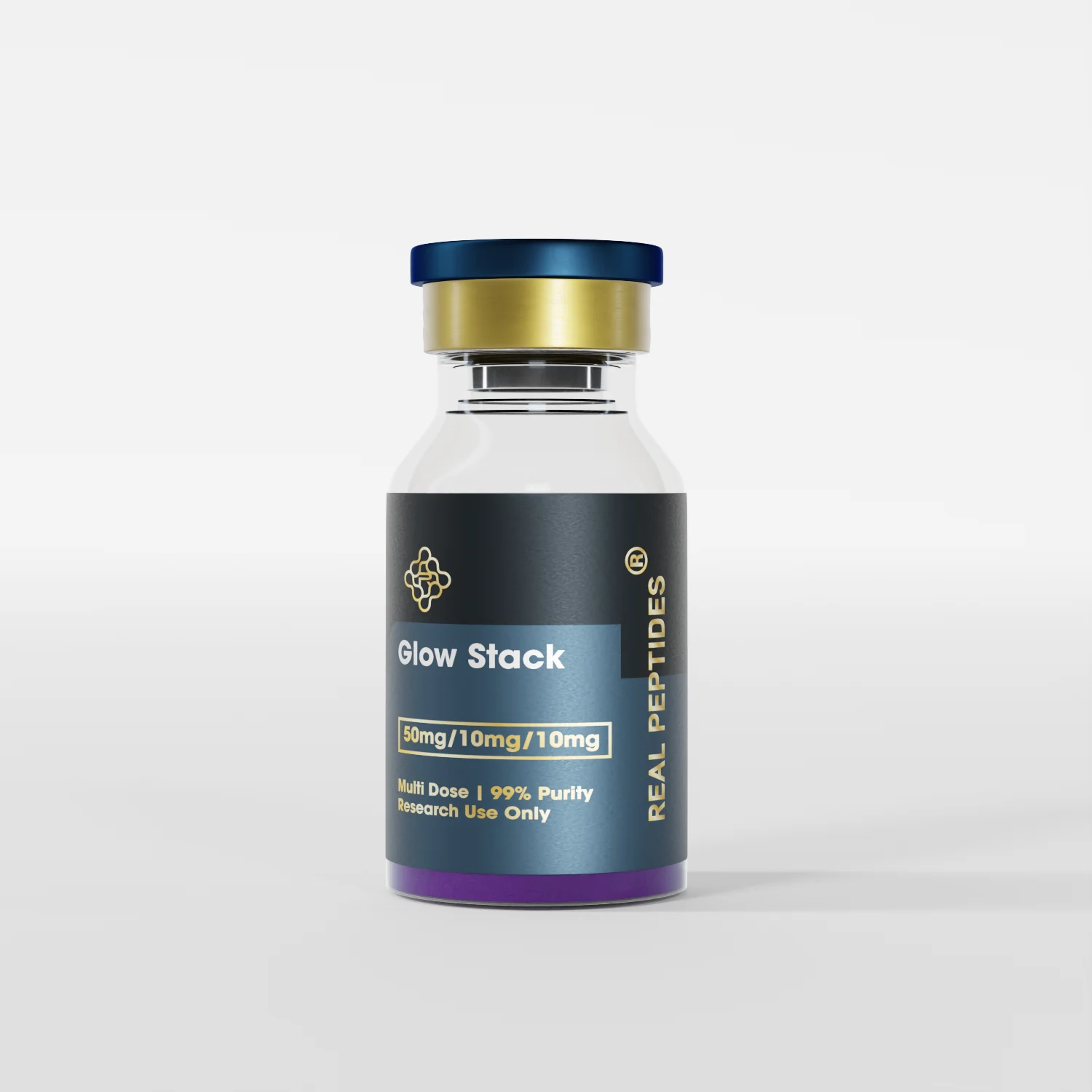
Stack
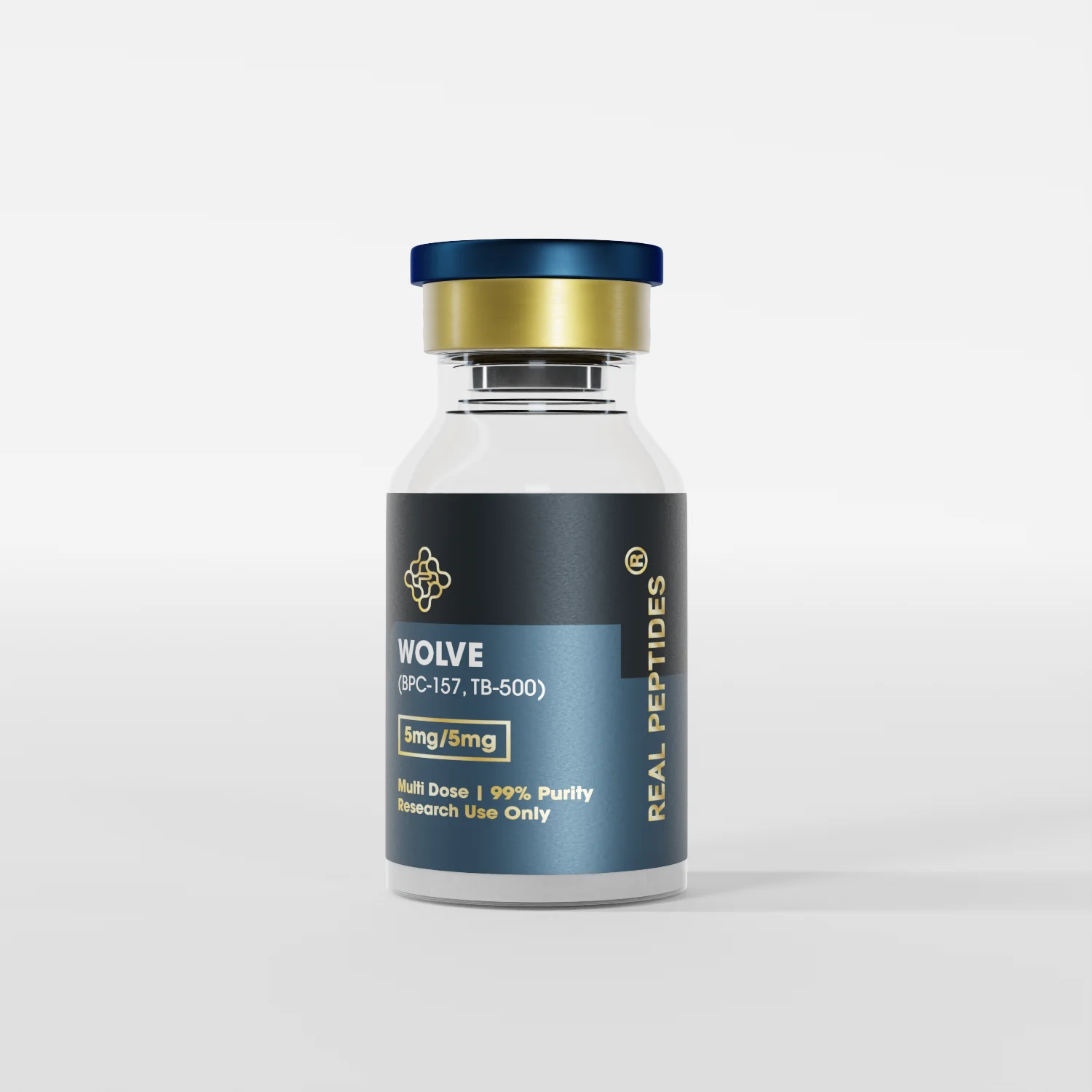
Wolverine stack benefits in context: what rodent and tissue-repair animal research suggests for BPC-157 and TB-500, and what no human trial has confirmed.
In published research, the majority of participants tolerated supplementation without serious adverse events. Most side effects were mild, transient, and self-resolving.
On 23 July 2026 an FDA advisory committee voted 8-6 to recommend letting compounding pharmacies use BPC-157, and 8-6 again for TB-500. Supporters read that as proof the Wolverine stack works. It is not. The vote concerned whether the peptides may be compounded, and the benefit evidence behind both still comes overwhelmingly from animal studies.
This page sets out what that animal research suggests about wolverine stack benefits, where it stops, and how to read benefit claims on vendor listings. Neither peptide is FDA-approved, both are sold for research use only, and no benefit described here has been confirmed in controlled human trials.
Almost every benefit attached to the Wolverine stack traces back to animal research on each peptide separately. There is no body of research on the pair as a combined product.
BPC-157 data come mostly from rodent studies of tendon, muscle and gut tissue. TB-500 work sits in tissue-repair animal models. Vendors then combine the two research threads into one marketing story: two peptides, two repair pathways, one stack.
That story is a reasonable research hypothesis. It is not a demonstrated outcome, and I think buyers lose money when they confuse the two.
BPC-157 is a synthetic 15-amino-acid peptide derived from a protein in gastric juice, and rodents are where nearly all of its data come from. The models cover tendon, muscle and gut tissue.
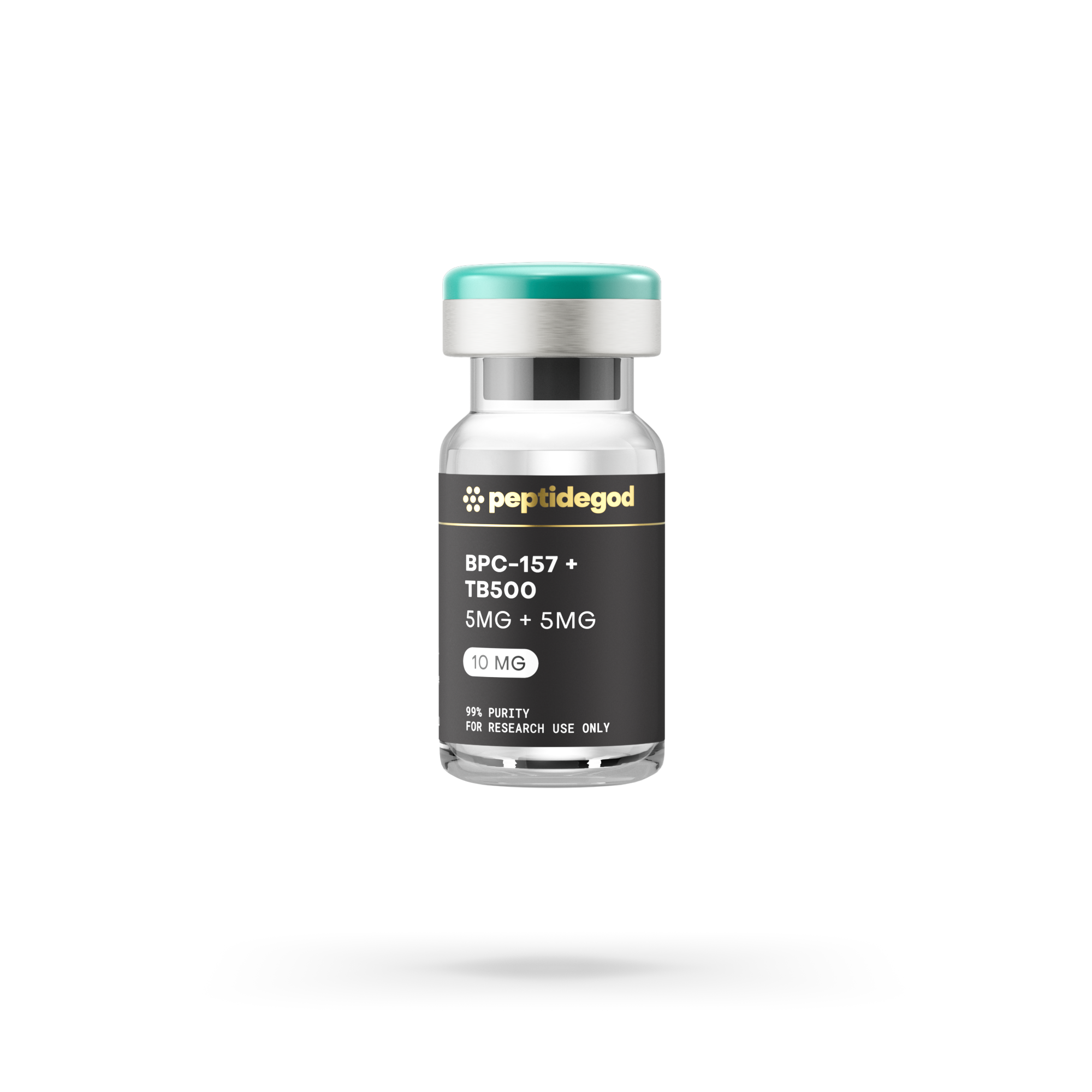
Peptide God describes it on its listing as the "most-cited healing peptide in animal research", studied "across tendon, muscle, gut models". Those descriptions match the shape of the literature. The same listing names its limit just as clearly: human clinical data still limited.
Rodent findings frequently fail to repeat in people. Differences in metabolism, tissue structure and study conditions mean a result in a rat tendon model is a lead for further research, not a property of the compound in humans.
TB-500 is a synthetic fragment related to thymosin beta-4, and its research base is animal tissue-repair work. Human data are limited.
Vendor copy calls it "studied for flexibility and repair" and says it "complements BPC-157 pathways". Those phrases describe why researchers group the two, not a measured effect in people. Our TB-500 page covers its background and prices on their own.
The research rationale for the stack is that BPC-157 and TB-500 were studied in different repair models, so together they cover more ground in a study design. That is why the Peptide God blend is described as covering "both major repair pathways".
Three limits apply:
If you are designing research around the pair, separate vials keep each variable measurable. The bundle vs blend vs separate vials page compares the formats and their costs, from $40.80 for the Real Peptides two-vial bundle to $59.95 for the Peptide God blend.
For BPC-157, human data are limited to small uncontrolled studies. For TB-500, human data are limited. For the two together, we know of no controlled human data at all.
Uncontrolled studies cannot tell whether an improvement came from the compound, from time, from other treatment or from expectation. That is why regulators rely on controlled trials, and why neither peptide is an approved drug.
The July 2026 committee recommendation does not change this. The votes are non-binding, FDA still has to complete rulemaking, and compounding was not yet permitted as of that meeting. Anyone hoping for a health benefit should talk to a doctor; we cover the regulatory steps on the FDA 2026 page.
Benefit language on a listing tells you a lot about the seller. Here is how we sort it.
| Phrase type | Example | How we read it |
|---|---|---|
| Study scope | "Studied in several animal models" | Accurate, describes research |
| Stated limit | "Human data limited" | A good sign, the seller is honest |
| Outcome promise | Says the stack heals or treats a condition | A treatment claim, not supported |
| Usage guidance | Charts, calculators, schedules | A red flag after FDA's August 2026 letters |
In August 2026 FDA sent warning letters to five online peptide vendors and said a "research use only" label does not settle the question. Disease claims and usage guidance on the website counted as evidence of intended human use. We only list sellers whose copy stays in the first two rows.